
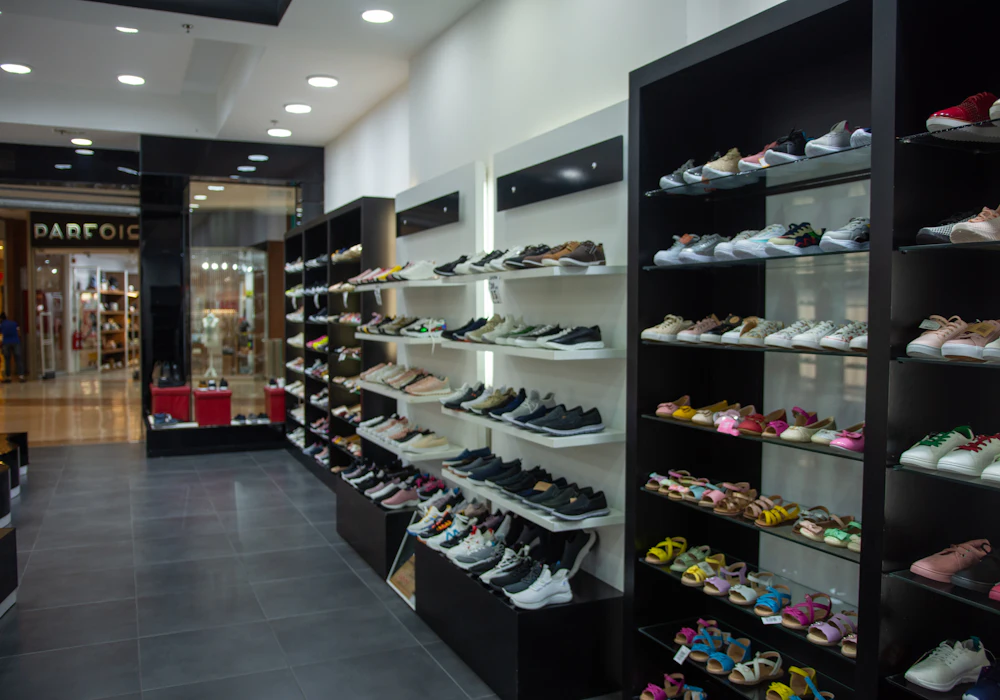
How to Choose the Right Shoes for Men in Nigeria: Fit, Material and Occasion Guide
A shoe that looks great in the shop can still be the wrong shoe for you. Maybe it pinches by 3pm, slips at the heel, or falls apart after one rainy season. Choosing well is not about spending more. It is about matching the shoe to your foot, your daily routine and Nigerian weather.
Use this guide before your next purchase, whether you are buying in a store or online.
1. Start with the right size, not the number you always buy
Sizes vary between brands and between shoe styles. Measure your foot instead of guessing:
- Stand on a sheet of paper and trace your foot, or mark the longest toe and the heel.
- Measure the length in centimetres.
- Do this in the evening, when feet are slightly swollen from the day. A shoe that fits then will be comfortable all day.
- Compare with the seller’s size chart and, if you are between sizes, go up.
You should have about a thumb’s width of space in front of your longest toe, and your heel should not lift as you walk.
2. Match the shoe to the occasion
Office and corporate
Oxfords, derbies and polished loafers in black or brown leather are the safe choice. Choose a thinner sole for formal settings and a slightly thicker one if you commute on rough roads.
Weddings, owambe and events
Go for a clean, polished shoe that photographs well: leather loafers, tassel loafers or smart slip-ons. Since you may be on your feet for hours, comfort matters as much as looks.
Casual and weekends
Minimal leather sneakers, canvas sneakers and casual loafers work with jeans, chinos and polo shirts. Pick a neutral colour first, such as white, black, tan or navy, and add bolder pairs later.
Church and everyday smart-casual
Dark, comfortable leather shoes that you can wear with both trousers and native wear give you the most value.
3. Choose the material for Nigerian weather
- Genuine leather: durable, breathable and repairable. Best for work shoes. It needs regular conditioning in harmattan.
- Suede: soft and stylish, but easily ruined by rain and mud. Better for dry days and occasions where you are driven, not walking in the open.
- Canvas and knit: light and breathable in hot weather, but they stain easily and soak up water.
- Synthetic (PU): affordable and low maintenance, but usually less breathable and not as long-lasting. Fine for occasional wear.
4. Check the build, not just the look
Whether you are holding the shoe or studying product photos and descriptions, look for:
- Neat stitching with no loose threads along the seams.
- A firm heel counter. Press the back of the shoe; it should resist collapsing.
- A sole that flexes at the ball of the foot, not in the middle of the shoe.
- Cushioned insoles and a lining that does not feel rough.
- Good grip. Lagos pavements, wet floors and market roads are slippery, so a patterned outsole helps.
5. Build a small, smart collection
If you are starting from scratch, three pairs cover almost everything: one black or brown formal leather shoe, one clean pair of sneakers, and one comfortable loafer. Add a fourth pair for native attire later. Rotating pairs also helps each last longer.
6. Think about cost per wear
A cheaper shoe that lasts four months can cost more over two years than a better shoe you wear for twenty-four months. Judge a pair by how many times you will realistically wear it.
Quick buying checklist
- Did I measure my foot recently?
- Will I wear this at least twice a week?
- Does it work with at least three outfits I already own?
- Is the material suitable for where and how I travel?
- Can I return or exchange it if the size is wrong?
Ready to choose? Explore men’s shoes at Baggiva Stores with free shipping across Nigeria, or message us on WhatsApp and we will help you pick the right size and style.
 SALE
 SALE
 SALE
 SALE