
How to Care for Your Shoes in Nigeria: Harmattan, Rain and Humidity Guide
If you live in Nigeria, your shoes fight a harder battle than shoes in most places. Harmattan dust coats them from December to February. Rainy season soaks them from May to October. Lagos humidity breeds mould inside wardrobes, and a single walk through a flooded street can undo a month of polishing. The good news is that most shoe damage is preventable with a few cheap habits.
This guide covers how to clean, dry, store and protect men’s shoes in Nigerian conditions, whether you own leather oxfords, suede loafers or white sneakers.
Know your material before you clean
The biggest shoe-care mistake is using the same method on every pair. Check what your shoe is made of first.
Leather shoes
Wipe off dust with a soft dry cloth, then use a damp cloth with a little mild soap for stains. Let the shoe dry naturally, then apply a leather conditioner and finish with a matching cream polish. Conditioning matters most during harmattan, when dry air makes leather crack along the creases.
Suede and nubuck
Never scrub suede with water. Use a suede brush to lift dust, and a suede eraser for marks. Before the rains start, apply a suede protector spray. Suede that gets soaked and dries stiff is very hard to bring back.
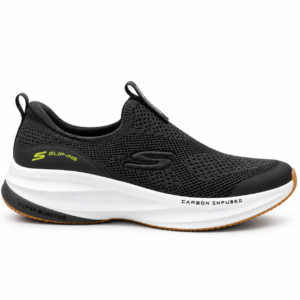
Canvas and knit sneakers
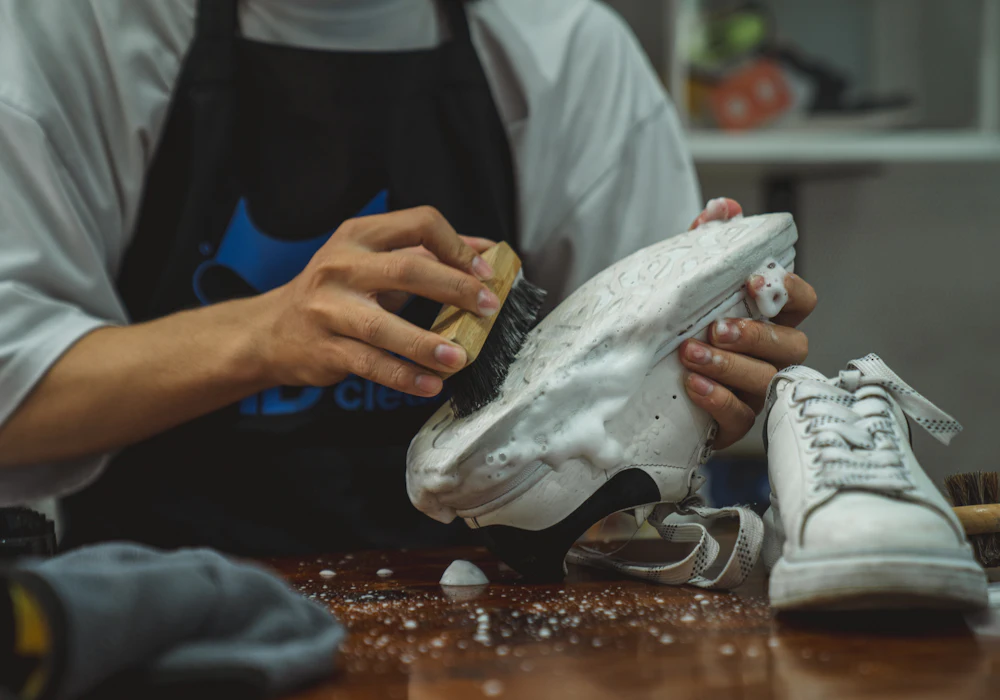
Remove the laces and insoles, then scrub gently with a soft brush, cool water and a little detergent. Rinse and dry away from direct sun, which yellows white fabric and weakens glue.
Synthetic (PU) shoes
Wipe with a damp cloth. Avoid harsh chemicals and heat, because PU coatings can peel once they start breaking down.
How to survive harmattan
- Brush before you wipe. Dust is abrasive. Wiping a dusty shoe with a dry cloth grinds grit into the surface.
- Condition leather weekly. A thin layer of conditioner stops the cracking that dry air causes.
- Keep shoes off the floor of a dusty room. A closed shoe rack or box protects them overnight.
How to survive the rainy season
- Waterproof before the first rain, not after. Apply a protector spray suited to your material and reapply every few weeks.
- Stuff wet shoes with newspaper. Replace the paper when it soaks through. This keeps the shape and pulls moisture out from inside.
- Never dry shoes on a generator, heater or in direct midday sun. Fast heat shrinks and cracks leather. Dry them in a shaded, airy spot for at least 24 hours.
- Keep a spare pair. Rotating shoes lets each pair dry fully, which is the single best way to make footwear last.
Fight smell and mould
Humid weather and long hours in traffic make shoes smell. Remove insoles after wearing, let the shoes air for a day, and place a dry tea bag or a small sachet of silica gel inside overnight. If you see white or green mould on stored shoes, wipe it with a cloth lightly dampened with white vinegar and water, then dry the shoe fully in open air.
Store shoes properly
Use shoe trees or rolled paper to keep the shape. Store pairs in breathable cloth bags or boxes with a few holes, never sealed in plastic. Keep them away from damp walls, and avoid stacking heavy items on top.
A simple weekly routine
- Brush off dust after each wear.
- Rotate pairs so no shoe is worn two days in a row.
- Condition or protect once a week in dry or wet seasons.
- Do a deeper clean once a month.
When to repair instead of replace
A good cobbler can resole a quality leather shoe, replace worn heel tips and fix loose stitching for a fraction of the price of a new pair. Do not wait until the sole is gone. Fix small problems early.
Good care starts with a well-made shoe. Browse the Baggiva Stores collection of men’s footwear, delivered nationwide in Nigeria, or chat with us on WhatsApp if you need advice on caring for a particular pair.
 SALE
 SALE
 SALE
 SALE